
ABOUT THE CONFERENCE
Add Your Heading Text Here
The BRICS International Competition Conference (BRICS ICC) is an important event under the framework of the BRICS Leaders’ Meeting and is held biennially by the BRICS competition authorities on a rotation basis. It was established at the meeting of the Heads of State of BRICS (then BRIC) countries in Yekaterinburg, Russia, on 16 June 2009. The first conference was organized by Russia in September 2009, followed by China (2011), India (2013), South Africa (2015), and Brazil (2017). After 2013, it is after 10 years since the hosting rights of the BRICS ICC were handed over to India. The history of the BRICS ICC is as follows:
The introductory BRICS ICC was organised by the Federal Antimonopoly Services, Russia, and held 1–3 September 2009 in Kazan. Heads of competition authorities from Brazil, Russia, India, and China discussed the importance of cooperation for developing and well-functioning markets. The conference agenda comprised sessions on cartel enforcement, inter-agency cooperation, and competition advocacy, which were deliberated upon by representatives of BRIC and other fast-growing economies.

HEADS OF BRICS COMPETITION AUTHORITIES

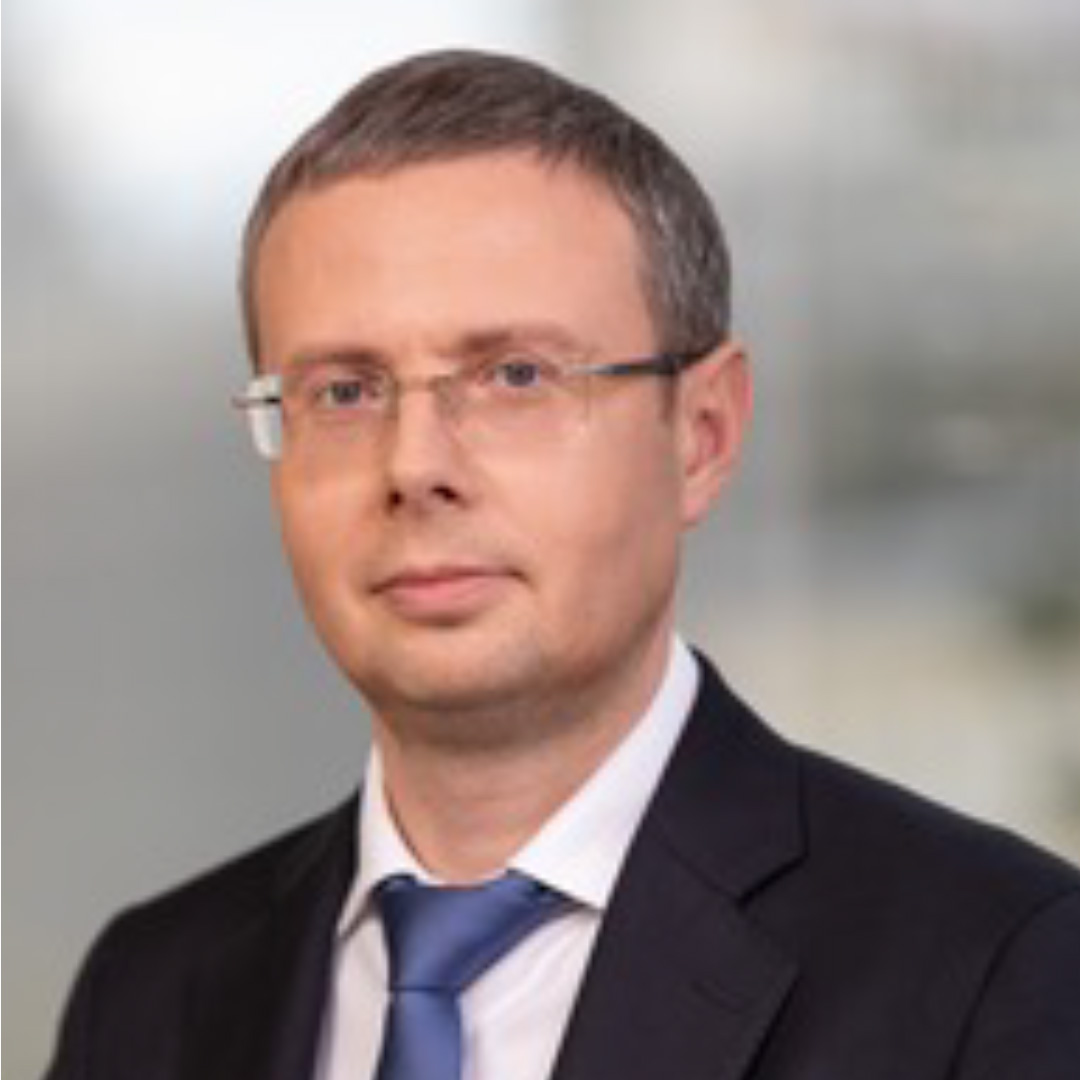
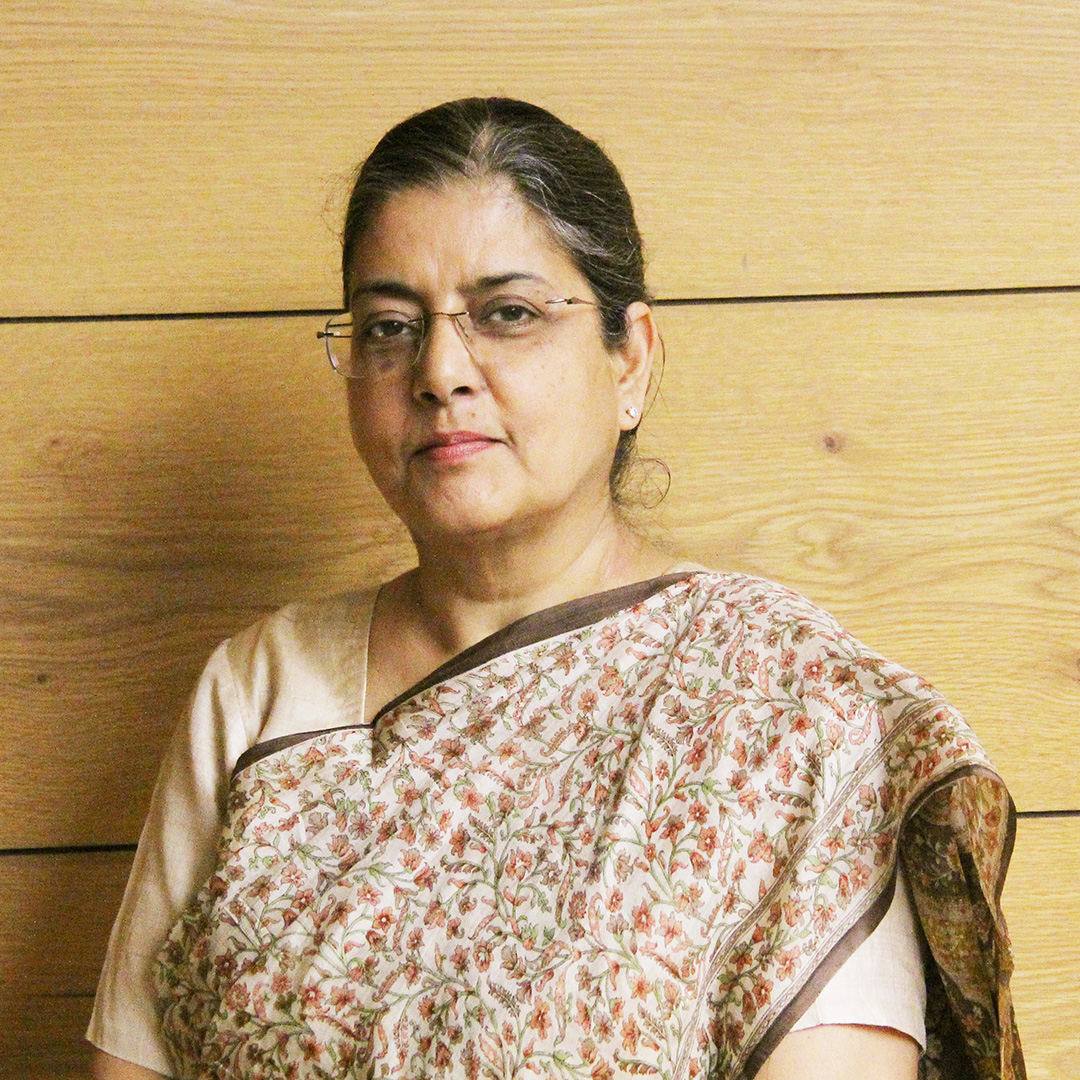


9th BRICS International Competition Conference 2025
19th Annual Competition Law, Economics & Policy Conference
| 08:00 – 09:00 | REGISTRATION |
| 09:00 – 09:20 | CONFERENCE OPENING ADDRESS & WELCOME: Mondo Mazwai (Chairperson, Competition Tribunal) |
| 09:20 – 10:00 | KEYNOTE SPEECH: Honourable Minister Parks Tau (Minister of Trade, Industry and Competition) |
| 10:00 – 11:00 | PLENARY SESSION 1: THE IMPACT OF FRACTURING MULTILATERALISM ON COMPETITION ENFORCEMENTBackground: Following 2024’s ‘year of elections’ fracturing multilateralism and the pursuit of zero-sum mercantilist policies has now become a feature of the geo-political landscape as the US and EU seek to restore competitiveness and growth in competition with China. Already this has spilled over into competition law enforcement with threats from the US to retaliate against countries imposing restrictions on its tech companies, which has led the EU to review punitive measures they were poised to take under the DMA. It has also led to debates about whether competition policy should take a back seat to investment and industrial policy aimed at improving growth and competitiveness. At the same time, academic research and the OECD have identified competition as an essential feature of a successful industrial policy and improving competition in SA markets was one of two World Bank recommendations. This session will discuss how the changing global order may impact on competition policy and cooperation globally but also nationally. Speakers: |
| 11:00 – 11:30 | TEA BREAK |
| 11:30 – 12:30 | PLENARY SESSION 2: THE INTEGRATION AGENDA OF AFCFTA AND THE DIRECTION FOR NATIONAL, REGIONAL AND CONTINENTAL COMPETITION POLICYBackground: Unlocking the potential of Africa’s markets for regional trade and growth is critical for the continent’s economic transformation. By enhancing intra-African trade, improving regional value chains and promoting economic integration, African nations can leverage their vast resources and emerging consumer markets to drive sustainable growth. Key to this is the African Continental Free Trade Area (AfCFTA), which aims to eliminate tariffs, reduce trade barriers, and foster greater cooperation between member states. Strengthening infrastructure, harmonising regulations, and facilitating access to financing will be essential in unlocking market opportunities. With these strategic efforts, Africa can realise its full potential as a dynamic economic force in the global market. Competition policy plays a vital role by ensuring that markets remain open, fair and competitive, preventing anti-competitive behaviour that can stifle innovation and limit market access. Speakers: |
| 12:30 – 13:30 | CONFERENCE LUNCH |
| 13:30 – 14:30 | PLENARY SESSION 3: COMPETITION POLICY IN DYNAMIC GROWTH MARKETSBackground: With the growth of rapidly evolving dynamic markets such as online retail and digital financial services, Competition Authorities may need to consider more than the traditional substantive assessment of price and quality when assessing these markets. Because of the market dynamism, Competition Authorities may need to adopt nonconventional theories assessing key factors such as innovation, investment and future prices. However, dynamic markets present a challenge as concerns have been raised regarding the stringent competition regulation and the adverse effect this may have on innovation and market dynamism. The plenary will discuss how can competition law can strike the right balance in dynamic markets that fosters innovation rather than hinder it. Speakers: |
| 14:30 – 15:30 | PLENARY SESSION 4: COMPETITION POLICY AND RE-INDUSTRIALISATIONBackground: As economies around the world navigate the era of geopolitical realignment, technological transformation and green transition, the resurgence of industrial policy has re-entered the policy mainstream. Governments are increasingly deploying targeted interventions to foster strategic industries, rebuild domestic manufacturing capacity and enhance economic resilience. In this shifting landscape, competition policy faces new pressures and expectations. There is debate as to whether existing competition frameworks are flexible enough to accommodate evolving industrial realities, or if a more fundamental rebalancing between market forces and state intervention is required. This session will explore how competition policy can be aligned with national and regional industrial strategies, to support long term economic growth. Speakers: |
| 15:30 – 16:00 | TEA BREAK |
| 16:00 – 17:00 | PLENARY SESSION 5: COMPETITION POLICY IN FOSTERING GREATER ACCESS TO CREDIT/LOANSBackground: Financial inclusion for small and medium-sized enterprises (SMEs) is a critical issue for fostering economic growth and development, especially in emerging markets. SMEs often face significant barriers in accessing affordable financing, such as limited credit history, high interest rates, or lack of collateral. This can stifle innovation, reduce competitiveness, and hinder job creation. A robust financial inclusion framework for SMEs can empower them by improving access to diverse financial products and services, such as loans, insurance and payment systems. Competition policy can play a key role in promoting financial inclusion if there is a well-crafted balance of both competition and prudential regulation. Speakers: |
| 17:00 – 17:15 | CONFERENCE CLOSING ADDRESS Doris Tshepe (Commissioner, Competition Commission) |
9th BRICS International Competition Conference
| 08:00 AM – 09:00 AM | REGISTRATION |
| 09:00 AM – 09:50 AM | CONFERENCE OPENING ADDRESS & WELCOME Opening address and welcome: President Cyril Ramaphosa and Commissioner Doris Tshepe |
| 09:50 AM – 10:30 AM | REMARKS ON IMPORTANCE OF BRICS COLLABORATION Minister Parks Tau |
| 10:30 AM – 11:00 AM | Tea Break |
| 11:00 AM – 12:30 PM | SESSION 1: COMPETITION, SUSTAINABILITY AND TRADE TRADE, COMPETITION AND THE GROWING FOCUS ON SUSTAINABILITY The mandate of Competition Authorities has grown… Speakers: Heads of BRICS Competition Authorities: Ms Doris Tshepe (South Africa); Mr Gustavo Augusto Freitas de Lima (Brazil); Mr Maxim Shaskolsky (Russia); Mrs Ravneet Kaur (India); Mr Wang Tiehan (China); Dr Mahmoud Momtaz (Egypt); Mr Mohammed Janahi (UAE); Mr Getinet Ashenafi Metaferiya (Ethiopia) |
| 12:30 PM – 01:30 PM | LUNCH BREAK |
| 01:30 PM – 01:45 PM | Short presentation on outcomes/learnings of the BRICS Digital Markets Working Group Speakers: Digital Markets Working Group chair/co-chairs – Brazil (Commissioner Carlos Jacques Vieira Gomes) and Russia (Ms. Lesya Davydova) |
| 01:45 PM – 03:00 PM | SESSION 2: DIGITAL MARKETS AND AI THE DEVELOPMENT OF AI AND GLOBAL IMPACT ON COMPETITION In a rapidly changing world… Speakers: Moderator: XYZ South Africa (Hardin Ratshisusu), Brazil (Commissioner Carlos Jacques Vieira Gomes), UAE (HE Safeya Al Safi, Mohammed Janahi), China (Mr. Ma Zongxu), Ethiopia |
| 03:00 PM – 03:15 PM | Short presentation on outcomes/insights of the BRICS Pharmaceutical Working Group Speakers: China (Mr. Liu Yifeng) and Russia (Ms. Anastasia Dokukina) |
| 03:15 PM – 03:30 PM | Tea Break |
| 03:30 PM – 03:45 PM | Launch of the Report: From fields to futures… Speakers: Mr. Andrey Tsyganov, Mr. Alexey Ivanov, Ms. Anastasia Nesvetailova |
| 03:45 PM – 05:00 PM | SESSION 3: FOOD AND COMMODITIES GLOBAL COMMODITY TRADERS AND THE IMPACT… Speakers: South Africa (Mr. James Hodge), Russia (Mr. Andrey Tsyganov), Brazil (Commissioner Carlos Jacques Vieira Gomes), Egypt, India (Mr. Ashutosh Kumar) |
9th BRICS International Competition Conference
| 09:00 AM – 09:30 AM | Keynote Speech on a Relevant Theme |
| Session 1 | The Influence of BRICS |
| 09:30 AM – 11:00 AM |
The BRICS Agenda Over The Next 5 Years BRICS now represents around 36% of global gross national income (more than the G7, which stands at around 31%) and 46% of the world’s population (G7: around 10%). More than 40% of global oil production and more than 36% of global gas production can now be attributed to BRICS countries. As we close out the conference, the panellists will debate the direction of the BRICS group in competition regulation and policy. What are the internal focus points, and what global agenda points should the BRICS group should be driving. Speakers: Heads of BRICS Competition Authorities: Ms Doris Tshepe (South Africa); Mr Gustavo Augusto Freitas de Lima (Interim President of CADE Brazil); Mr Maxim Shaskolsky (Russia); Mrs Ravneet Kaur (India); Mr Wang Tiehan (Chief Inspector of Anti-monopoly SAMR China); Dr Mahmoud Momtaz (Egypt); Mr Mohammed Janahi (United Arab Emirates); Mr Getinet Ashenafi Metaferiya (Ethiopia) |
| 11:00 AM – 11:30 AM | Tea Break |
| Academic Conference | Session 2 |
| 11:30 AM – 01:15 PM | 2 Parallel Breakaway Sessions |
| 01:15 PM – 02:15 PM | Lunch Break |
| 02:15 PM – 04:00 PM | 2 Parallel Breakaway Sessions |
| 04:00 PM – 04:15 PM | Closing: Commissioner Doris Tshepe |


